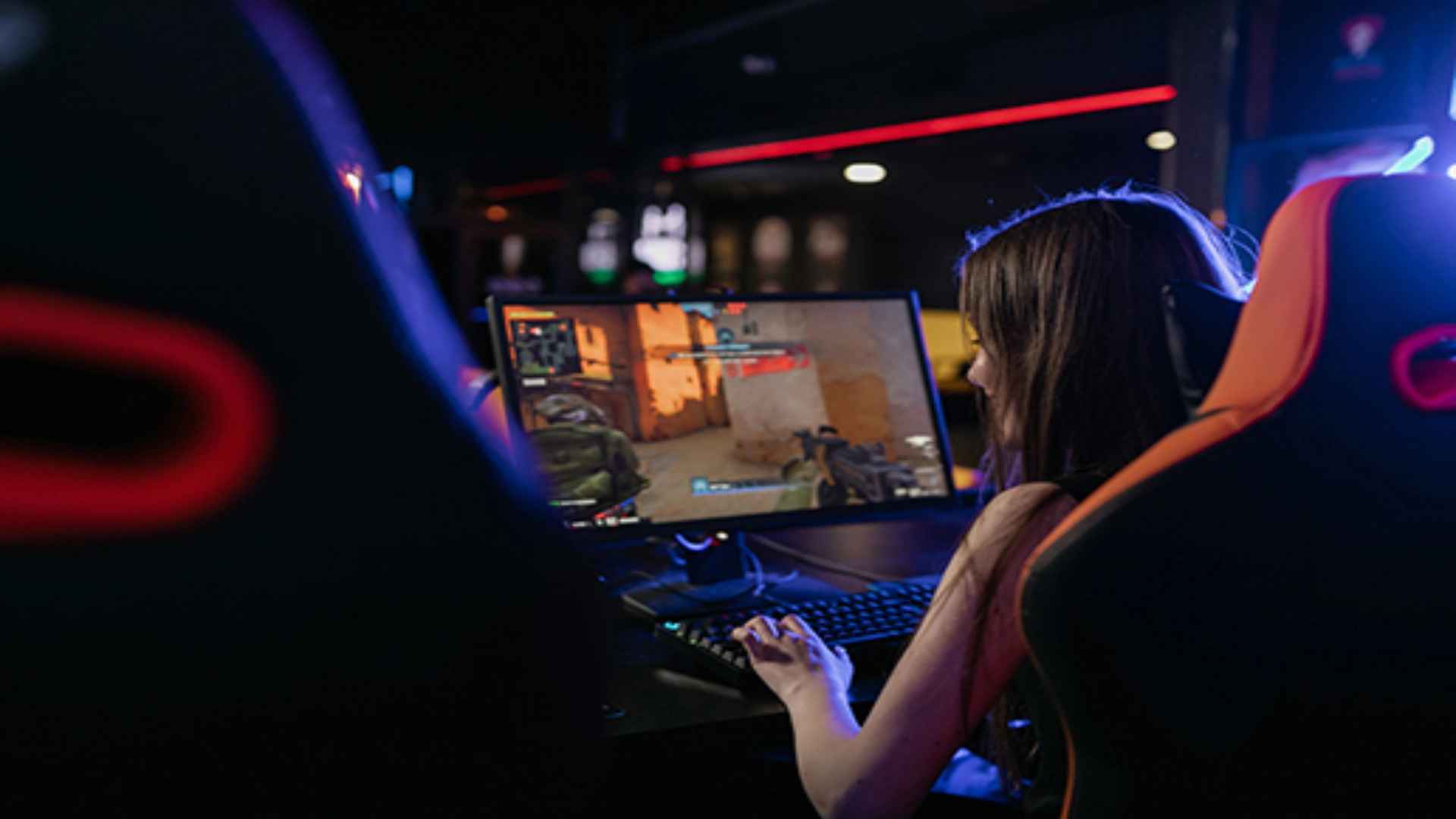
Modern sports video games rely heavily on motion capture technology to recreate the distinctive playing styles of iconic football stars on virtual pitches. By recording the complex physical movements of real athletes, game developers can translate subtle nuances into digital animations. This intricate process bridges the gap between physical athleticism and interactive entertainment, giving fans a truly realistic gaming experience.
The evolution of optical tracking studio setups
Motion capture studios utilize high-speed, specialized cameras surrounding a controlled turf space to record athletic performance from every conceivable angle. Athletes wear custom suits covered in retroreflective markers that reflect infrared light directly back to camera sensors. This setup records positional data hundreds of times per second to capture fluid human movement accurately.
Early animation systems relied on basic keyframing, which often made virtual players look rigid and unnatural during intense gameplay moments. Modern optical tracking captures fine biomechanical details, including how a player shifts weight or prepares to strike a ball. Consequently, digital models now mirror the fluid movement and signature flourishes of world-class athletes.
Translating iconic movement styles into digital avatars
Every legendary footballer possesses unique physical traits, such as a specific running gait, sprinting posture, or free-kick technique. Capture sessions require players to repeat signature moves multiple times to ensure all subtle mechanics are precisely recorded. Engineers then map these precise movement patterns onto corresponding 3D character skeletons.
This careful translation ensures that virtual stars behave on screen just as they would during a high-stakes professional match. Fans immediately recognize these distinct physical quirks, which greatly enhances emotional investment during matches. The technical detail transforms digital characters from generic models into believable representations of famous players.
Integrating volumetric data and volumetric capture
Beyond traditional suit-based tracking, recent technological advances allow development teams to gather movement data directly from actual televised match footage. Volumetric capture utilizes dozens of stadium cameras to record full teams competing in real time without special suits. This massive dataset allows algorithms to analyze real-world interactions and physical tackles under authentic match conditions.
Combining studio motion capture with real-match volumetric data yields unprecedented realism across all gameplay scenarios. Digital footballers respond dynamically to physical contact, pitch conditions, and changing ball trajectories. This dual approach ensures that animations remain organic and varied rather than repetitive during extended play sessions.
The impact of realistic physics on interactive strategy
Accurate motion capture directly influences how tactical systems function within modern football simulations. When virtual players move with authentic momentum and acceleration curves, strategic positioning becomes far more crucial for success. Gamers must consider real-world physical constraints, such as turning circles and deceleration times, when planning attacks.
Ultimately, motion capture mechanics elevate sports games beyond simple arcade fun into sophisticated athletic simulations. The technology honors the skill of football legends by preserving their unique athletic legacies in digital form. As capture methods continue to refine, the boundary between live broadcasts and virtual matches will only grow more seamless.